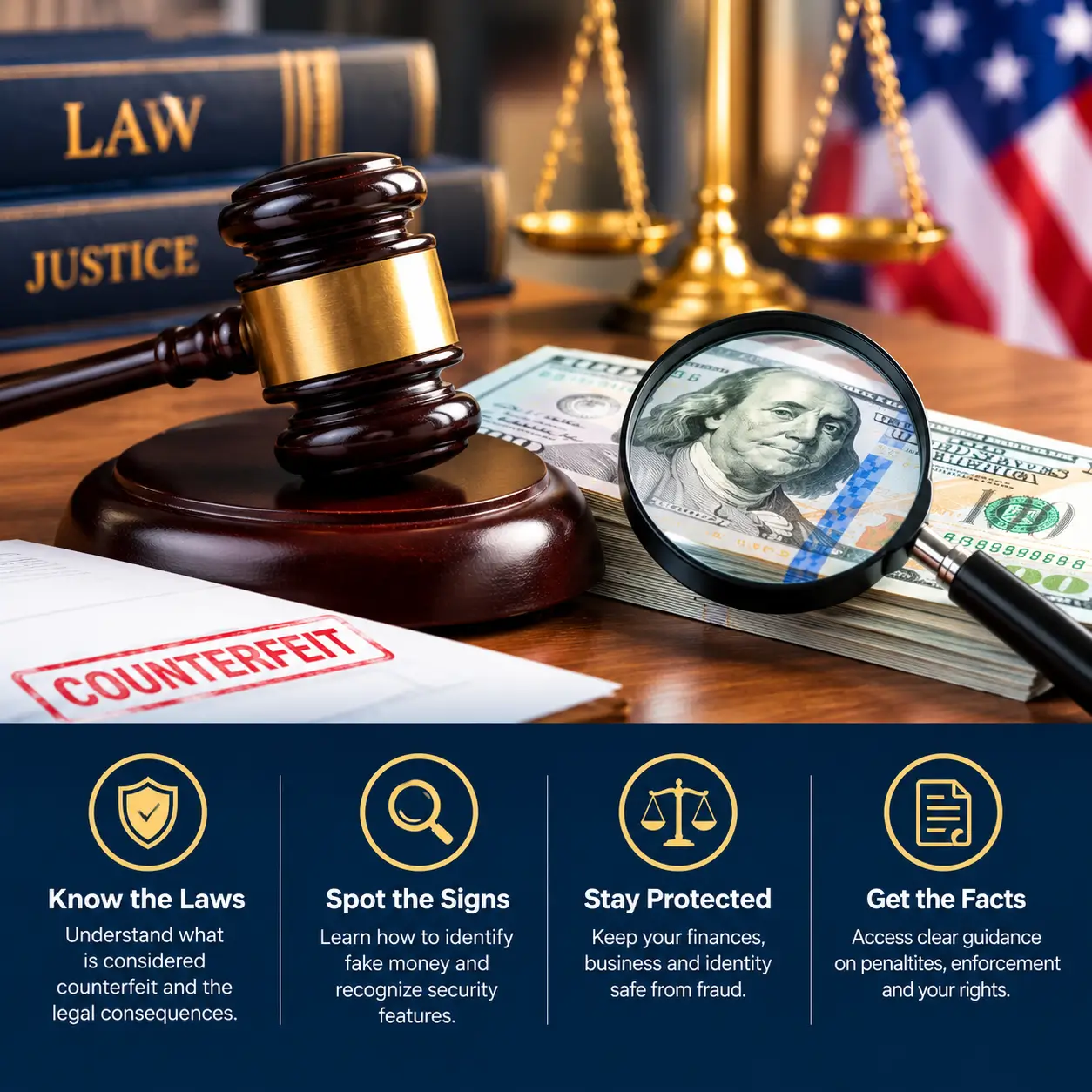

Counterfeit Money Laws for Individuals and Businesses
Counterfeit Money Laws for Individuals and Businesses Counterfeit Money Laws for Individuals and Businesses are designed to prevent fake currency...
Read More
How Governments Fight Counterfeit Currency
How Governments Fight Counterfeit Currency How Governments Fight Counterfeit Currency involves a combination of secure banknote design, public education, financial-industry...
Read More

Counterfeit Money Charges: What You Need to Know
Can You Go to Jail for Using Counterfeit Money? Can You Go to Jail for Using Counterfeit Money? Yes, knowingly...
Read More
Can You Go to Jail for Using Counterfeit Money?
Can You Go to Jail for Using Counterfeit Money? Can You Go to Jail for Using Counterfeit Money? Yes, knowingly...
Read More
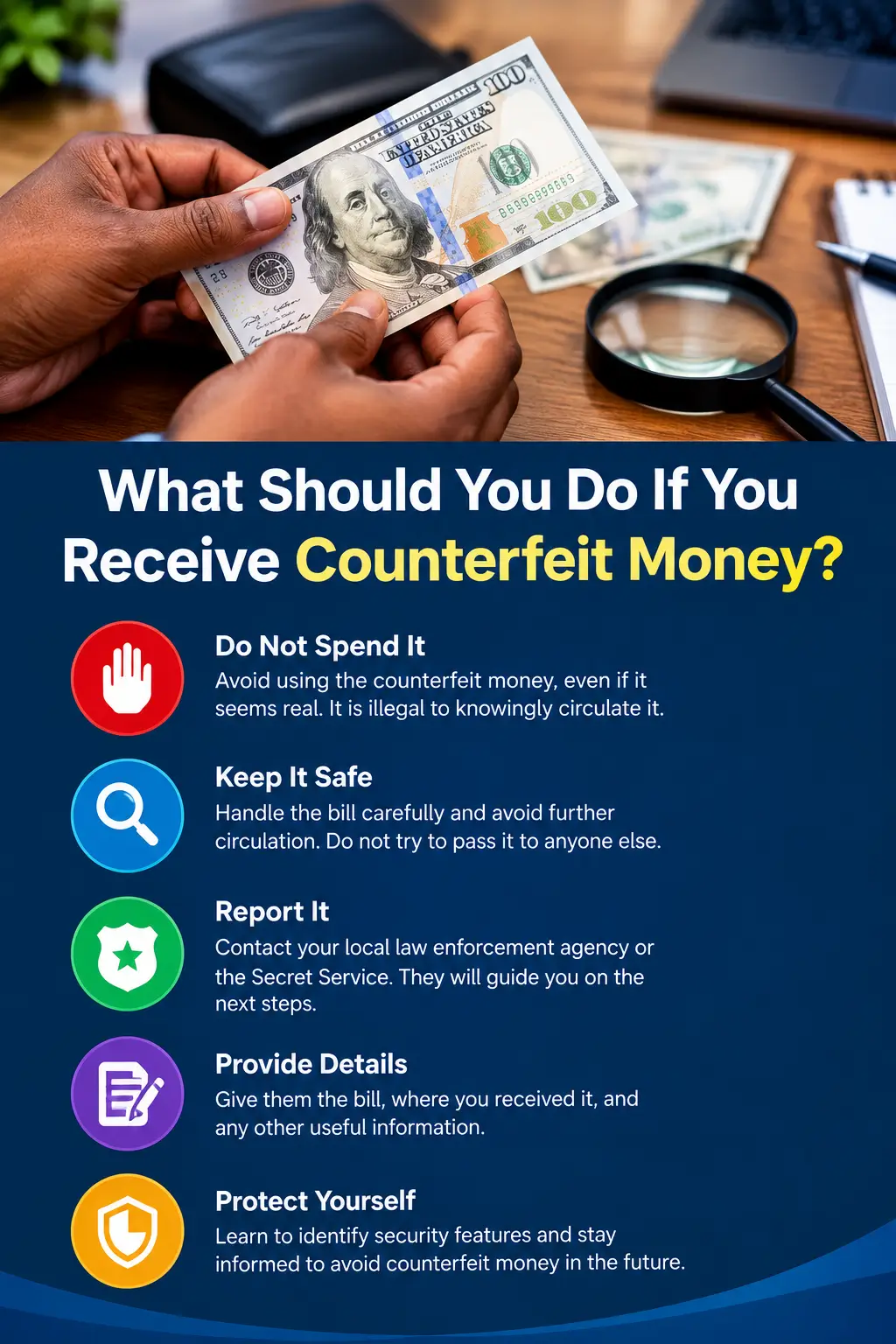
What Should You Do If You Receive Counterfeit Money?
What Should You Do If You Receive Counterfeit Money? What Should You Do If You Receive Counterfeit Money? If you...
Read More

What Happens If You Accidentally Spend Counterfeit Money?
What Happens If You Accidentally Spend Counterfeit Money? What Happens If You Accidentally Spend Counterfeit Money? The answer depends on...
Read More
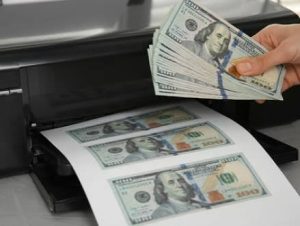
Is It Illegal to Use Counterfeit Money?
Is It Illegal to Use Counterfeit Money? Is It Illegal to Use Counterfeit Money? In general, knowingly using counterfeit money...
Read More

Is It Illegal to Possess Counterfeit Money?
Is It Illegal to Possess Counterfeit Money? Is It Illegal to Possess Counterfeit Money? In many jurisdictions, knowingly possessing counterfeit...
Read More

Counterfeit Money Laws and Penalties Explained
Counterfeit Money Laws and Penalties Explained Counterfeit Money Laws and Penalties Explained starts with an important distinction: laws concerning fake...
Read More

What Are Counterfeit Money Laws?
What Are Counterfeit Money Laws? What Are Counterfeit Money Laws? They are laws that prohibit the unauthorized creation, possession, distribution,...
Read More